20 November 2026
Old fuse boxes vs modern breaker panels for home electrical systems
Presented by @homepowerjournal
Understanding the difference between fuse boxes and breaker panels
Electrical panels are the central hub of any home or business wiring system. They distribute power from the utility line to the circuits that run lights, appliances, and equipment. Over the decades, the technology inside these panels has changed significantly. Older buildings often still have a fuse box, while newer construction and upgrades use a circuit breaker panel. Knowing how these two types work and what each offers helps a homeowner or business owner make informed decisions about electrical panel replacement.
A fuse box uses screw-in or cartridge fuses. Each fuse contains a thin metal strip that melts if too much current flows through it. Once the strip melts, the circuit is broken and power stops. To restore power, you must unscrew the blown fuse and replace it with a new one of the correct amperage. This design is simple and reliable, but it has clear drawbacks. Fuses are single-use items. You need to keep spares on hand, and if you do not have the right rating, you might be tempted to use a higher-rated fuse or even a makeshift fix, which can create a fire hazard.
Modern breaker panels use circuit breakers instead of fuses. A breaker is a switch that trips when it detects an overload or a short circuit. Inside the breaker, a bimetallic strip heats up and bends, or an electromagnet pulls the switch open. Once the problem is corrected, you can reset the breaker by flipping it back to the on position. No replacement parts are needed. This convenience is one reason breaker panels have become the standard in residential and commercial electrical work. When considering electrical panel replacement in Santa Clara, many property owners find that switching to breakers simplifies maintenance and improves safety.
How fuse boxes work and where they still appear
Fuse boxes were common in homes built before the 1960s and into the 1970s in some areas. They are still found in older houses that have not had a full electrical upgrade. The panel itself is often a metal enclosure with a row of fuse holders. Each circuit is labeled with its amperage, typically 15 or 20 amps for lighting and general outlets, and 30 amps for larger appliances like a stove or water heater.
One advantage of a fuse box is that a fuse blows very quickly on a dead short, which can limit damage to wiring. Fuses are also less likely to nuisance-trip than some older breakers. But the downsides are significant. If a fuse blows repeatedly, it may indicate an overloaded circuit or a wiring problem that needs professional attention. Using a fuse with too high an amperage to stop the blowing can allow wires to overheat and start a fire. Corrosion on the fuse contacts or in the fuse holder can cause heat damage over time, making the panel unsafe. Fuse boxes also have limited capacity. Many older panels only support a few circuits, which is far from enough for a modern home with multiple appliances, electronics, and HVAC systems.
Breaker panels: what makes them the modern choice
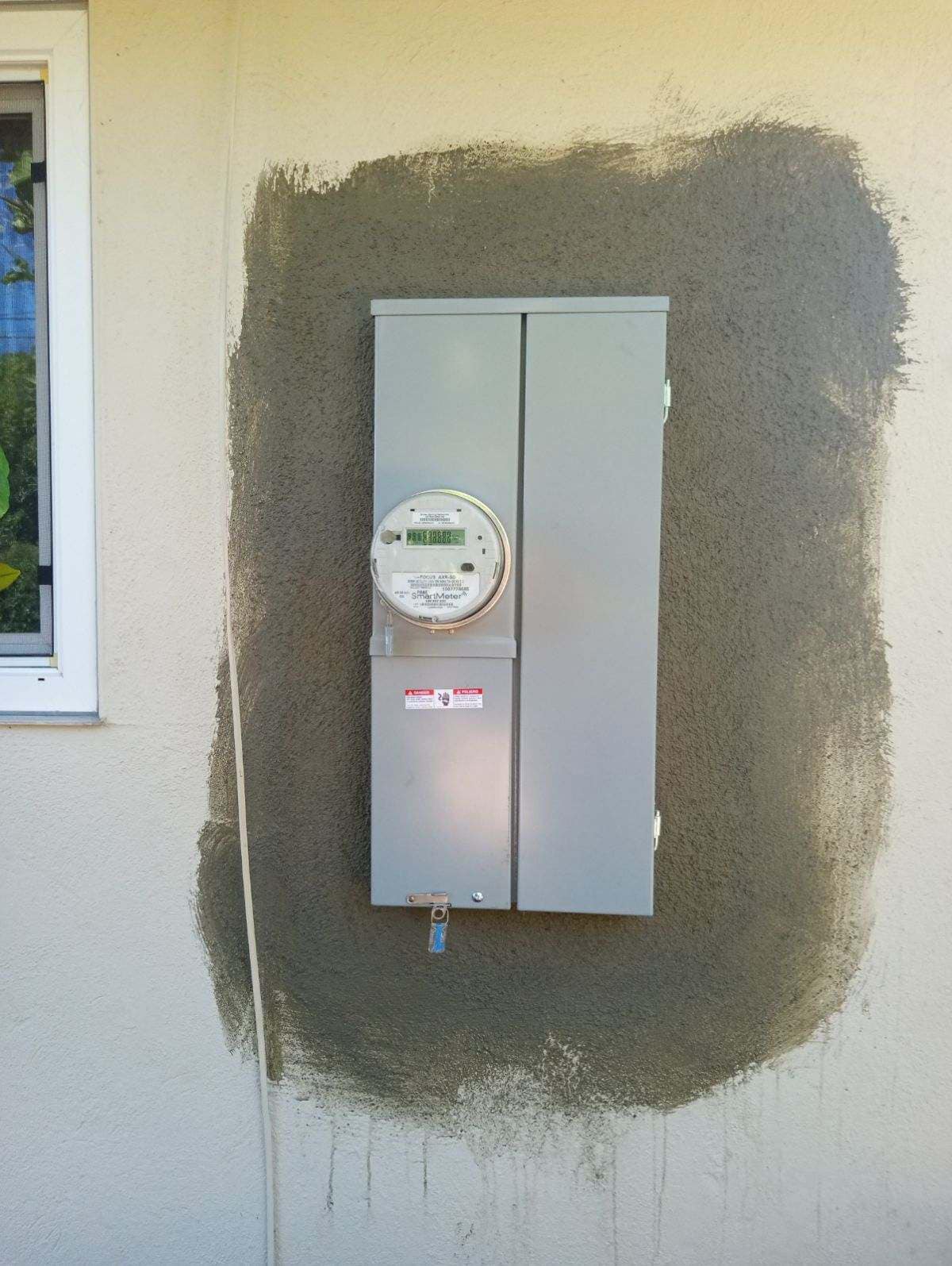
Circuit breaker panels, also called service panels or load centers, are now the standard for new construction and upgrades. They come in various sizes, typically with 12, 24, or more spaces for breakers. The main breaker at the top controls the entire panel, and individual breakers feed each circuit. Inside the panel, hot wires connect to bus bars, which are metal strips that distribute power to the breakers. The neutral and ground wires connect to separate bus bars.
Breakers offer several practical benefits. They can be reset after tripping, so there is no need to keep spare parts. They are also easier to identify when tripped because the switch moves to a middle or off position. Many modern breakers have a trip indicator or a colored flag that shows which one has tripped. This makes troubleshooting faster. Breaker panels also allow for more circuits and higher total capacity, which is essential for today's electrical loads. When a home or business needs to add a new appliance or upgrade an existing circuit, a breaker panel with available spaces makes the job straightforward.
Another advantage is that breaker panels can be configured with different types of breakers for specific needs. Standard breakers handle general lighting and receptacle circuits. GFCI (ground fault circuit interrupter) breakers protect against shock in wet areas like kitchens, bathrooms, and outdoors. AFCI (arc fault circuit interrupter) breakers detect dangerous arcing in wiring and help prevent electrical fires. These specialized breakers cannot be used in a fuse box, which limits the safety features available in older systems.
Comparing capacity, safety, and maintenance
When comparing fuse boxes and breaker panels, capacity is often the first thing to consider. A typical fuse box from the 1950s might have four to six fuse slots. A modern breaker panel can hold 20 or more breakers, each capable of handling 15 to 50 amps or more. This difference matters for any property that has added a microwave, dishwasher, home office equipment, or central air conditioning. An old fuse box simply cannot support the electrical demand of a modern lifestyle.
Safety is another critical factor. Fuse boxes lack the built-in protection of GFCI and AFCI breakers. They also have exposed live parts inside the panel if the cover is removed. Many older fuse boxes do not have a main disconnect switch, meaning you cannot shut off all power to the panel from one location. Breaker panels typically include a main breaker that cuts power to the entire panel, making it safer to work on individual circuits. Additionally, breaker panels are designed with better insulation and arc-fault protection to reduce fire risk.

Maintenance is simpler with breaker panels. Fuses need to be inspected for corrosion and heat damage, and blown fuses must be replaced. Breakers rarely need replacement unless they have been tripped many times or show signs of wear. However, breakers can wear out after decades of use, and a breaker that trips frequently may signal an underlying issue. In both systems, any sign of heat damage, discoloration, or burning smell around the panel is a serious warning that requires immediate professional evaluation.
When to consider an upgrade
If your property still has a fuse box, it is worth evaluating whether it meets your current electrical needs. Common signs that an upgrade is overdue include frequent fuse blowing, limited outlets, use of extension cords or power strips, and flickering lights when large appliances run. A fuse box that feels warm to the touch or shows rust or corrosion inside the enclosure is a safety hazard. Similarly, a breaker panel that is full with no room for additional circuits, or that has old breakers that trip easily, may need to be replaced with a larger panel.
An upgrade from a fuse box to a breaker panel is a major job that requires a permit and work by a licensed electrician. The electrician will assess the existing wiring, the electrical capacity needed, and the best location for the new panel. The old fuse box is typically removed, and the new breaker panel is installed with new breakers and updated wiring to meet current code. For businesses and homes in the Bay Area, this kind of work is common as properties age and electrical demands grow. Electrical panel replacement in Santa Clara often involves upgrading from a fuse box to a modern breaker panel, which provides more capacity, improved safety, and easier maintenance.
What to look for in a new panel
When planning an upgrade, consider the number of circuits you need now and might need in the future. A panel with extra spaces allows for easy additions later. Look for a panel with a high enough amperage rating, usually 100, 150, or 200 amps for a typical home. The panel should have a main breaker and be compatible with GFCI and AFCI breakers. The enclosure should be made of durable metal with a secure cover. For outdoor installations, a weatherproof enclosure is required. The panel should also have a clear label that identifies each circuit, which helps with troubleshooting and future work.
It is also wise to think about the condition of the wiring feeding the panel. Old wiring with cloth insulation or aluminum wire may need to be replaced during the upgrade. An electrician can inspect the wiring and advise on what work is necessary. In some cases, the service entrance cable from the utility may also need upgrading to handle the new panel's capacity.
Making the choice that fits your situation
The decision between keeping an old fuse box and upgrading to a breaker panel depends on the age of the property, the current electrical load, and safety priorities. A fuse box that is in good condition and still meets the needs of a small, lightly loaded building might be acceptable for a while, but it will eventually need replacement. For most properties, the convenience, safety features, and expandability of a modern breaker panel make it the better long-term choice. The cost of the upgrade is offset by improved reliability and the ability to use modern appliances and electronics without tripping circuits.
If you are unsure about the condition of your electrical panel or the capacity of your system, a professional assessment is the best first step. An electrician can test the panel, check for corrosion or heat damage, and measure the load on each circuit. They can also explain what work would be needed to bring the system up to current standards. For anyone living in or around Santa Clara, having a panel that can safely handle today's electrical demands is a practical investment in the property's safety and function.